
Mark N.47 · Cleveland, OH★★★★★
I commute on the train. Mall walk in the morning. Capsule is extra, not a replacement for the walk. I keep it on the washer. I take it when the ferry horn goes.
Ten reviews arrived in the same envelope as the label artwork. We publish all ten, we collected none of them, and the two figures we can recompute agree with each other and not with the headline.
Written by the BloodPril editorial team·Last updated October 12, 2026·How this page was checked
Ten BloodPril reviews, a 4.7 out of 5 score, a star distribution, an order count and a recommend percentage were supplied to this desk in the same pack as the label artwork, with a photograph for each review. We did not collect them, did not solicit them, have not edited a word, and cannot verify any of them: we cannot contact the people named, cannot confirm that any of them bought the product, and cannot confirm that any portrait is a photograph of that person. We publish all ten in full with that said on every card. Three figures are in play and the interesting thing is which two of them agree. The score printed is 4.7. The distribution supplied, 55% at five stars, 28% at four, 11% at three, 4% at two and 2% at one, weights out to 4.30. The ten reviews actually published also average 4.30. So the sample and the distribution agree with each other, and it is the headline number that does not reconcile with either. Separately, 91% are said to recommend the product while the same distribution puts only 83% at four or five stars. No one-star or two-star review is among the ten supplied, though that distribution says roughly 51 of the 854 claimed written reviews are one of those two. Because these reviews come from the brand rather than from users, this site emits no Review and no AggregateRating structured data on any page.
Every figure and every word below was supplied to this desk in the same pack as the label artwork. We did not collect these reviews, cannot contact the people named, and cannot confirm that any portrait is a photograph of that person. They are published in full and unedited because hiding them would be the less honest choice, and labelled on every card because presenting them as independent would be the dishonest one.
I commute on the train. Mall walk in the morning. Capsule is extra, not a replacement for the walk. I keep it on the washer. I take it when the ferry horn goes.

I farm a little plot out back. Hotel week. Original bottle, not a baggie. Serving still happened. I keep it by the router. I take it before I walk the mall.

I volunteer at church on Sundays. I don't stack a second circulation bottle. One is enough to remember. I keep it on the piano. I take it before league night.

I bowl league night. That's my reminder. Page said nitric oxide. I don't measure that. I measure whether I took it. I keep it next to the leash. I take it when I unroll the sleeping bag.

I keep horses. Barn first, then the bottle. Spouse handles the cuff log. I handle the capsule. I keep it in the glove box. I take it after I lock the back door.

I do yard work for neighbors. Trash day reminder. Capsule already happened. I keep it on the fridge door. Didn't stack a second brand this time.

I pack lunches for a crew. One capsule before toast. Cuff at the clinic is still the score. I don't skip that visit. I keep it beside the stamp dish. I mark the paper calendar, not an app.

I sit at a sewing machine all day. Head felt heavy in the afternoon. Not gone. Walk plus the capsule. I keep it on the charging pad. I take it when the bus app opens.

I run a food truck window. Wanted the home cuff to drop in ten days. It didn't. Kept the routine. I keep it in the lunch tote. I take it before I open email.

I walk mall laps in the morning. I take blood-pressure tablets. Showed the bottle to the clinic first. They said keep the tablets. I keep it on the workbench. I take it after I water the plants.
All ten reviews, the 4.7 score, the star distribution, the order count and the recommend percentage were supplied to this desk in the same pack as the label artwork. We did not collect them, did not solicit them and have not edited a word of them.
We cannot contact any of the ten people named, cannot confirm that any portrait is a photograph of that person, and cannot confirm that any of them bought or took the product. We publish them because labelling them is more honest than hiding them, not because we can stand behind them.
The supplied distribution gives a weighted mean of 4.30, and the ten published reviews average 4.30 as well. The printed figure is 4.7. We show all three and the arithmetic.
This site publishes no Review and no AggregateRating structured data for these. Google's guidance is that ratings must be sourced directly from users; these were sourced from the seller. Emitting them would put a star rating into search results on the strength of figures we have just told you we cannot verify.
Reserved for reviews this desk collects itself, from buyers who ordered through this site. They are deliberately blank, and will be marked as independently collected when there are any.
This desk recomputes every figure it is given, including the ones pointing in the flattering direction. On this product that recomputation produced an unusual result, and the unusual part is worth stating before the criticism: two of the three numbers agree exactly, and they are the two the brand had least control over once it had chosen which ten reviews to send.
The first number is 4.7. That is the score printed beside the stars, and it is the one a buyer sees first.
The second is 4.30, and it comes from the brand's own distribution. The shares supplied are 55% at five stars, 28% at four, 11% at three, 4% at two and 2% at one. Those add to 100, so the distribution is at least internally consistent. Weight it and you get (5×55 + 4×28 + 3×11 + 2×4 + 1×2) ÷ 100, which is 430 ÷ 100 = 4.30. That is the average the supplied distribution actually describes.
The third is also 4.30, and it comes from the ten cards above. Count the stars the brand chose to publish: five fives, three fours and two threes. (5×5 + 4×3 + 3×2) ÷ 10 = 43 ÷ 10 = 4.30.
So the ten published reviews and the full distribution land on the same number, to two decimal places, and the figure printed next to them is 0.40 of a star above both. That matters for how you read this page. On most products this desk reads, the published sample is sunnier than the distribution behind it and the criticism is about selection. Here the sample is a fair reflection of the distribution it came from. The number that does not reconcile is the headline, and a headline is the easiest of the three to correct.
Then the second arithmetic problem, which is a different kind. The pack says 91% recommend the product. The same pack's distribution puts 83% at four or five stars, which is 55 plus 28. Both figures were supplied together and they are eight points apart. They may be answering different questions — a recommend prompt and a star rating are not the same instrument, and it is entirely possible to give three stars and still tell a friend to try something. Nothing supplied says so, and no definition of the recommend question appears anywhere in the pack, so a reader is left to reconcile two figures that were printed as though they agreed.
And the third thing, which is about the ten rather than about the averages. The supplied distribution says 6% of reviews are one or two stars. Against the 854 written reviews also supplied, that is roughly 34 two-star cards and 17 one-star cards: about 51 unhappy reviews the brand's own figures say exist. Not one of them is in the ten we were given. The lowest cards in the set are three stars, and there are two of those. Ten is not a statistical sample of 854, and a company sending ten reviews to a retail partner is under no obligation to send a representative spread. But it does mean the bottom of the range is missing from this page, and the missing part is the part a cautious buyer would read first.
We are not suggesting any of this was done deliberately. Rounding, a different sample, a figure taken at a different moment or three numbers maintained in three places would all explain the 4.7, and 854 written reviews cannot be audited from ten cards. What we will not do is choose one of the figures and print it as though the others had not been supplied. All of them came from the same company in the same delivery, and all of them are on this page.
One further supplied figure does not line up, and it is small. The summary names the six-bottle pack as the top seller. Six of the ten cards describe buying three bottles, three describe six and one describes two. Ten cards cannot overturn a sales figure drawn from 4,098 orders, and the two statements were still printed in the same document. We have left the cards alone and flagged it here instead, because editing a supplied review to make it agree with a supplied summary would be the beginning of a different kind of page.
It does not mean the reviews are fabricated, and we have no evidence either way. It means the numbers supplied with a product should be recomputed rather than republished. Here the recomputation mostly vindicates the sample and leaves one headline and one percentage unexplained. A page that printed only the 4.7 would have made an editorial choice it had not disclosed. This page discloses it.
Read as evidence about whether the product works they are close to useless, because we cannot verify a word of them and because almost nothing in them is measured. Read as a set of documents, they are unusually instructive, and on a product sold for blood pressure one of them is the single most useful thing in the pack.
Start with Joyce F., 69, Las Vegas, who did the right thing. “I take blood-pressure tablets. Showed the bottle to the clinic first. They said keep the tablets.” That is a reader who took a supplement to the people managing her prescription before she took the first capsule, and was told to carry on with what she had been prescribed. The clinical summary this desk opened for arginine, which occupies two of the three lines in this blend, records that it “may have additive hypotensive effects” with antihypertensives and tells patients that taking both “may not be safe.” None of that is printed anywhere on the bottle. Joyce F. was better served by her clinic than by the label, and if you take prescription tablets, her paragraph is the one to copy. Nothing on this page is a reason to change, reduce or stop a prescribed medicine.
Nine of the ten describe a cue rather than a result. I keep it on the washer. I keep it by the router. I keep it on the piano. I keep it next to the leash. I keep it in the glove box. I keep it on the fridge door. I keep it beside the stamp dish. I keep it on the charging pad. I keep it on the workbench. And the triggers: when the ferry horn goes, before the mall walk, before league night, after locking the back door, before toast, when the bus app opens, after watering the plants. One marks a paper calendar rather than an app. On a once-daily capsule with sixty in the bottle, that habit is the thing that decides whether any of it happens at all.
Two of them mention somebody else doing the measuring, and that is the right instinct. Donna Q. keeps the clinic cuff as “the score” and says she does not skip the visit. Linda R. says her spouse handles the cuff log while she handles the capsule. Blood pressure is a number you cannot feel, so whether anyone is measuring it matters more than how the capsule tastes.
Two of them explicitly declined to stack a second product. “I don't stack a second circulation bottle. One is enough to remember.” “Didn't stack a second brand this time.” On a shelf built around buying more of everything, that is sober, and it happens to be the safer instinct: no trial exists on this combination, let alone on this combination plus another.
Nobody in the set claims a number. No reading, no millimetres of mercury, no before and after. The nearest thing to a measurement is a complaint about one not arriving: Diane Q., 53, Tampa, three stars, day 22, “wanted the home cuff to drop in ten days. It didn't.” That expectation came from somewhere, and it was not from the front of this bottle, which claims blood pressure support and carries an asterisk to an FDA disclaimer. Set it against the research: the pooled trials behind these two amino acids found 4 to 5 mmHg systolic at 3 to 24 grams a day, over interventions lasting one to seventeen weeks. This blend is 0.5 g. Ten days was never the timescale anybody studied.
And one card describes a page we were not shown. Luis L., 64, Philadelphia, three stars, day 52: “Page said nitric oxide. I don't measure that.” Nothing on the bottle supplied to this desk mentions nitric oxide — not the front panel, not the Supplement Facts panel, not the other-ingredients list, not the caution statement. Somebody read it somewhere that is not the label. We cannot tell you what was on that page and we are not going to speculate, but a buyer reporting a mechanism claim the bottle never makes is worth printing exactly as he wrote it.
The two three-star cards are the most valuable documents here. They are the only critical material in the set, they were published rather than withheld, and we print them at the same size as the fives, in the same list, in the order supplied. Both of them are about an expectation the label did not set.
Nine of the ten stop inside the refund window, and that is the structural limit of this evidence. The days-of-use figures run 20, 20, 22, 26, 30, 37, 40, 42, 52 and 61, averaging 35 days. Only one card describes use past day 60, which is where a single bottle ends and where the guarantee ends. So the brand's own best evidence stops at roughly the same place its refund window stops, and says nothing at all about months three through twelve of a six-bottle order.
They are specific about their own lives rather than about the product. A train commute, a small plot out back, church on Sundays, a bowling league, horses, yard work for neighbours, lunches packed for a crew, a sewing machine, a food truck window, mall laps. Nobody claims a cure. For a brand-supplied set that is more restraint than we expected, and it is worth saying plainly rather than only cataloguing the problems.
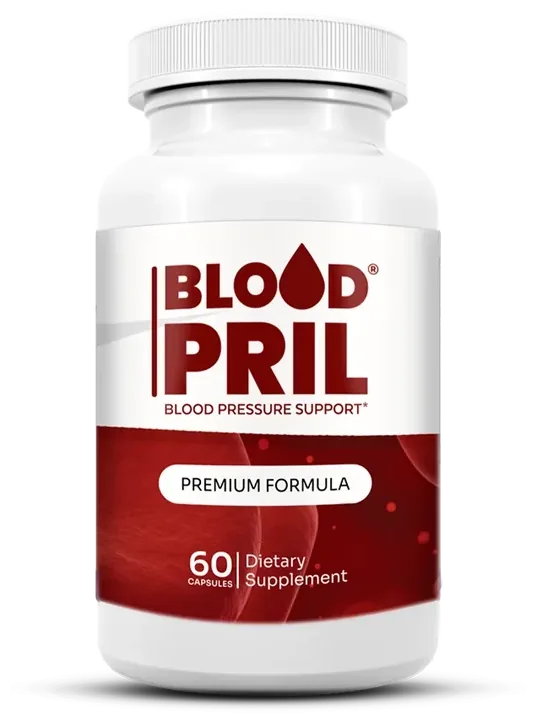
What none of them can tell you is what is in the bottle. The panel declares a 500 mg proprietary blend of three ingredients with no weight against any of them, two of the three are the same amino acid in different salts, and no certificate was supplied behind the lot reference. Ten people describing a routine cannot close that gap, however honest they are, because none of them knows either.
Because we do not put any in the code, and that is a deliberate commercial cost.
Google's guidance on review snippets is that ratings must be sourced directly from users, and that a page is not eligible for the star feature where the entity being reviewed controls the reviews about itself.
These reviews came from the brand. So this site emits no Review and no AggregateRating structured data on any page — not on this one, not on the home page, not anywhere. The 4.7 appears in visible text, labelled as supplied, alongside the 4.30 we recomputed twice, and nowhere in the markup.
There is a second reason, and on this product it is the stronger of the two. Structured data has to pick one number. There is no field for a headline that disagrees with the distribution underneath it, no field for 91% recommend sitting against 83% at four or five stars, and no field for a note saying the published sample contains no one- or two-star review. Emitting a rating here would mean choosing 4.7 or 4.30 and asserting it in machine-readable form, stripped of everything this page has just spent two thousand words explaining. We would rather emit nothing than emit the part of this that cannot be qualified.
There is a third reason and it is specific to this product. A star rating in a search result is a recommendation rendered as a picture. This is a supplement sold for blood pressure, to readers who may be taking prescription medicine for it, and the clinical summary for its main amino acid warns of additive effects with those medicines. A row of gold stars beside a result is the last format in which to compress that.
The stars a 4.7 average would have won are worth real traffic, and this site earns a commission on orders placed through it, so that traffic is money. Declining it is the single most expensive decision on this site, and it is the one we would least want to reverse.
The six slots below. If and when this desk collects reviews from buyers who ordered through this site, and can match each one to an order, those cards will carry a verified flag and structured data will follow — because at that point the rating will have been sourced from users.
The ten above arrived with the product. These are the ones we will collect ourselves, from buyers who ordered through this site, and every field in them is blank until somebody writes one.
Everything below is empty on purpose. These six cards and the rating above them are for reviews this desk has collected and matched to an order, and none exist. The ten reviews further up this page came with the product pack and are labelled as such; they are a different thing and they are not counted here. No score, no count and no review text has been invented to fill this space.
I commute on the train. Mall walk in the morning. Capsule is extra, not a replacement for the walk. I keep it on the washer. I take it when the ferry horn goes.
3 bottles · Day 26 · Not dated on pack
Pack review 1, as supplied
I farm a little plot out back. Hotel week. Original bottle, not a baggie. Serving still happened. I keep it by the router. I take it before I walk the mall.
6 bottles · Day 30 · Not dated on pack
Pack review 2, as supplied
I volunteer at church on Sundays. I don't stack a second circulation bottle. One is enough to remember. I keep it on the piano. I take it before league night.
6 bottles · Day 20 · Not dated on pack
Pack review 3, as supplied
I bowl league night. That's my reminder. Page said nitric oxide. I don't measure that. I measure whether I took it. I keep it next to the leash. I take it when I unroll the sleeping bag.
2 bottles · Day 52 · Not dated on pack
Pack review 4, as supplied
I keep horses. Barn first, then the bottle. Spouse handles the cuff log. I handle the capsule. I keep it in the glove box. I take it after I lock the back door.
6 bottles · Day 37 · Not dated on pack
Pack review 5, as supplied
I do yard work for neighbors. Trash day reminder. Capsule already happened. I keep it on the fridge door. Didn't stack a second brand this time.
3 bottles · Day 61 · Not dated on pack
Pack review 6, as supplied
Each highlighted slot carries its own key — review-1-name, review-1-city and so on — so the person filling them in can find every one of them. Until a card’s verified flag is set, this site emits no Review or AggregateRating structured data for it.

The desk reads the label at native resolution, recomputes every figure on it, and opens every source it cites. On this product that was unusually productive, because this label gives a reader more to work with than most. It earns a commission on orders placed through this site, which is why the dose arithmetic is at the top of the page rather than the bottom.
These slots are vacant on purpose. A physician's name was supplied with the product pack and we were asked to print it as the medical reviewer of these pages. He has not read them — they were written after the pack arrived. On a product sold for blood pressure, to readers who may be taking prescription medicine for it, a borrowed medical endorsement is the most dangerous thing a page like this could carry.
Sources are listed in full on every page that makes a claim · Our method and who writes this · Report a correction
We do not know, and we say so on every card. All ten, the score, the distribution and the order count were supplied to this desk in the same pack as the label artwork. We did not collect them and cannot contact anyone named. We publish them unedited and labelled, and emit no Review or AggregateRating structured data.
Because 4.30 is what the supplied distribution works out to: 55% five, 28% four, 11% three, 4% two and 2% one. The ten reviews published average 4.30 as well, which is consistent. It is the 4.7 printed beside them that reconciles with neither.
Because the same pack puts four- and five-star reviews at 83% combined. The recommend figure printed beside it is 91%. They may be answering different questions — nothing supplied says so — so we print both and name the gap.
Two of the ten are three-star and they are among the most useful cards here. The supplied distribution says 4% are two-star and 2% one-star; none of those is in the ten we were given. We note it rather than presenting the sample as representative.
Mostly how people fit it into a routine rather than whether it works. Nobody treats it as a replacement — one calls it extra, not a replacement for the walk, one keeps the clinic cuff as the score, one takes prescription tablets and was told by her clinic to keep them. Two expected faster results than they got.
We cannot confirm that any portrait is a photograph of the person named. They arrived in the same pack as the product artwork. We publish them because removing them while keeping the words would be a stranger kind of dishonesty, and we label every card.
Because we publish no Review or AggregateRating structured data for brand-supplied reviews. Google's guidance is that ratings must be sourced directly from users; these were sourced from the seller.
They are reserved for reviews this desk collects itself, from buyers who ordered through this site. There are none yet, so they stay empty.
Nobody, and the slot is left visibly empty rather than filled. See above for why.
One bottle is 60 capsules, which at one a day is 60 days — exactly the length of the refund window. No single bottle is sold, so the smallest commitment is two bottles: $158, $1.32 a day, and 120 days of a product whose three individual amounts are not printed.
The struck-through figures are $358, $537 and $1,074 — which is $179 multiplied by two, three and six. A crossed-out price is a claim about what something used to sell for, and no date is given on which this product sold at $179 a bottle. We print the struck figures because they are on the offer, and this note beside them because they are arithmetic rather than history. · window runs from purchase · no subscription · not for under 18, pregnancy or nursingWritten and fact-checked by The Bloodprildaily Editorial Desk, last updated October 12, 2026. A highlighted slot means that value has not been supplied yet and nothing has been invented in its place — why the reviewer line is empty.